

CrewAI is a AI Agents product used by individuals and teams who want a reliable, modern workflow.
ProprietaryAI AgentsWebFreemium · See website

AI agent tools let software plan steps, call tools, and retry when a step fails. This list mixes frameworks (LangChain, CrewAI, LlamaIndex), coding agents (Devin, Aider, SWE-agent), and hosted builders (Lindy, Dust, n8n). Use it when you are choosing how to build agents, not only which chatbot to buy.




An AI agent tool is software that can decide the next step, call an API or browser, and continue until a goal is met or a guardrail stops it. Chat products that only reply in text are not agents. Workflow products that only run a fixed graph are closer to automation. The overlap is real, so this list includes both builder kits and products that already run agents in production.
This shortlist includes CrewAI, LangChain, Semantic Kernel, Flowise, n8n, LlamaIndex, and 28 more.
We include tools that expose planning, tool use, or a documented agent runtime. Pure chat UIs stay on the LLM list. Pure RPA with no model in the loop stays off this page.
Open a profile for pricing, alternatives, and a product page.
CrewAI is a AI Agents product used by individuals and teams who want a reliable, modern workflow.
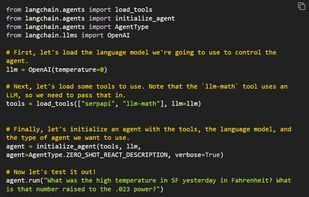
Framework for building LLM apps with chains, agents, and tool use.
Alternative to Haystack
Upgrade to Microsoft Edge to take advantage of the latest features, security updates, and technical support.

Flowise is a AI Agents product used by individuals and teams who want a reliable, modern workflow.
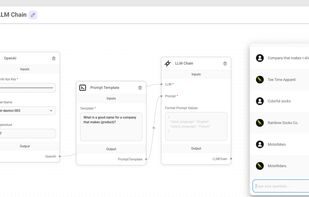
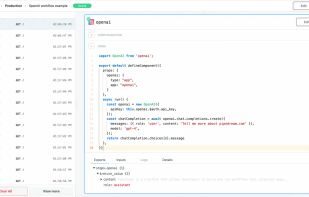
Open-source workflow automation you can self-host with full data control.


Data framework for connecting LLMs to your documents and APIs.


Lindy is a AI Agents product used by individuals and teams who want a reliable, modern workflow.

Haystack is a AI Agents product used by individuals and teams who want a reliable, modern workflow.


Dify is a AI Agents product used by individuals and teams who want a reliable, modern workflow.


trust what you merge, control what your agents do, and show your users it's safe.


AgentGPT is a AI Agents product used by individuals and teams who want a reliable, modern workflow.
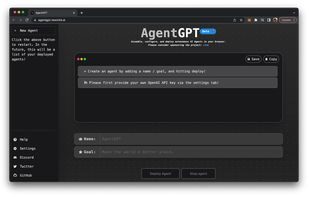
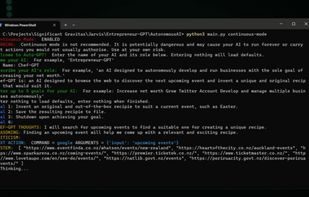
Auto-GPT is a AI Agents product used by individuals and teams who want a reliable, modern workflow.

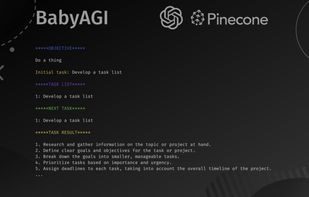
BabyAGI is a AI Agents product used by individuals and teams who want a reliable, modern workflow.

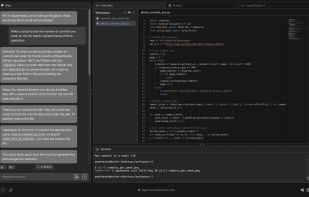
OpenDevin is a AI Agents tool for teams and individuals who want a reliable, modern workflow.

OpenHands is a AI Agents product used by individuals and teams who want a reliable, modern workflow.


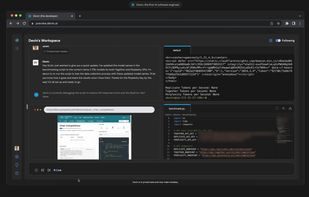
Cognition operates Devin, the first autonomous software engineer.

This element contains an interactive demo for sighted users showing multiple Cursor interfaces: Cursor Desktop interface, Cursor CLI interface.


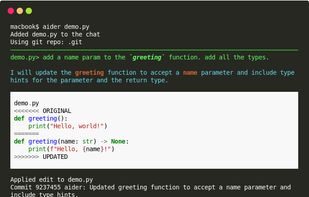
Aider lets you pair program with LLMs to start a new project or build on your existing codebase.

📣 We now recommend mini-swe-agent instead of SWE-agent: Same performance, much more simple & flexible.

Adept Workflow Language (AWL) is an expressive, custom language that allows users to easily compose powerful multimodal web interactions on.

MultiOn is a AI Agents product used by individuals and teams who want a reliable, modern workflow.


Bardeen is a AI Agents product used by individuals and teams who want a reliable, modern workflow.


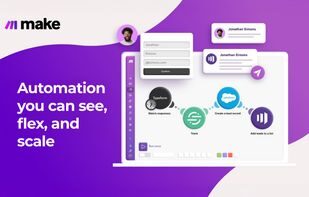
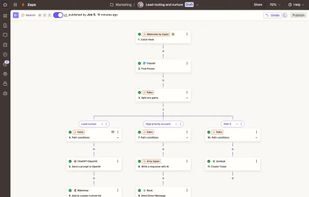
Visual automation platform for complex multi-app scenarios and data transforms.
Alternative to n8n

Trusted by 1,000,000+ developers from startups to Fortune 500 companies.

Turn chaos into smooth operations by automating workflows yourself—no developers, no IT tickets, no delays.
Alternative to n8n


* Talk to Sales Have a question?
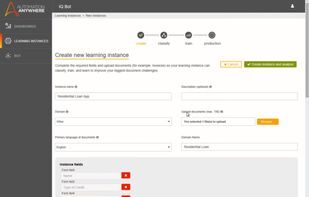

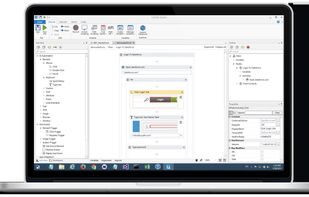
Blue Prism is a AI Agents product used by individuals and teams who want a reliable, modern workflow.


Deliver maximum ROI through optimized, enterprise-ready agents.


Dust is a AI Agents product used by individuals and teams who want a reliable, modern workflow.

No-code AI agent platform that answers, takes real action, and runs support, sales, and ops across every channel.


Open conversational AI platform to build, deploy, and manage chat agents at scale.


Voiceflow helps product and conversation design teams prototype and ship AI agents with shared canvases, testing, and handoff.


Rasa gives engineering teams full control over dialogue, NLU, and deployment for production assistants.

Pick the control plane first. Libraries give you code ownership. Studios give you a UI. Coding agents are a separate buy if the job is repositories, not business workflows.
| If this is the job | Look at |
|---|---|
| You will write the agent in code | LangChain, LlamaIndex, Semantic Kernel, Haystack, or CrewAI. |
| You want a visual builder | Flowise, Dify, n8n, Make, or Dust. Confirm who owns the prompts. |
| The job is writing or fixing code | Devin, Cursor Agent, Aider, OpenHands, or SWE-agent. |
| You need traces and evals | A product that logs tool calls. Do not ship an agent you cannot replay. |
Best AI agents and automation tools
Agent runtimes plus browsers, scrapers, and workflow engines.
Best AI support agents
Agents that resolve tickets and hand off cleanly, not generic chat widgets.
Best developer tools
Editors, repos, cloud, APIs, and observability for engineering teams.
AI agent software
Full category directory, not this editorial shortlist.
OWASP agentic risks, as a vendor rubric
Bookmarkit research note
Agentic browsers and same-origin risk
Bookmarkit research note
An AI agent tool is software that lets a model plan steps and call tools until a goal is finished or blocked. That includes frameworks such as LangChain and CrewAI, hosted studios such as Lindy or Dust, and coding agents such as Devin or Aider. A chat box with no tools is not an agent.
A chatbot returns text. An agent can browse, write files, call APIs, or open a ticket, then continue from the result. If you cannot list the tools the model is allowed to use, you are buying chat, not an agent.
Start with a hosted builder if you need a demo on real data this month and you do not have an agent platform team. Start with LangChain, LlamaIndex, or CrewAI if you already know the tools, evals, and deploy path. Switching later is cheaper than picking a studio you cannot export.
They are useful as references for autonomous loops, not as default production stacks. Most teams now want a graph they can test (LangGraph-style), human approval on write actions, and traces. Keep them on a research shortlist, not as the only runtime.
Give it a small tool allowlist, require approval on writes, log every tool call, and run evals on prompt-injection cases. Read the OWASP agentic risks before you connect email, payments, or a browser. A sandbox that the agent can leave is not a sandbox.