

Alpha3D is a Game Development product used by individuals and teams who want a reliable, modern workflow.
ProprietaryGame DevelopmentWebFreemium · See website

Game development tools start with an engine, then art, audio, and live-ops. This shortlist includes Unity, Unreal Engine, Godot, GameMaker, Construct, plus audio (FMOD, Wwise), art (Aseprite, Spine), and services (PlayFab, Photon, Steamworks). Pick the engine before you pick the AI NPC tool.


Game development tools are software used to build and ship games: engines, editors, asset pipelines, audio middleware, and backend services. An engine (Unity, Unreal, Godot) is the runtime and editor. Everything else plugs into it. Marketplace stores (itch.io, Epic, Steamworks) appear because shipping is part of the job.
This shortlist includes Alpha3D, Aseprite, Bitsy, Cocos Creator, Construct, Convai, and 34 more.
We include engines and the common adjacent tools that have a catalog profile. General 3D tools such as Blender also appear on the art list because both audiences bookmark them.
Open a profile for pricing, alternatives, and a product page.
Alpha3D is a Game Development product used by individuals and teams who want a reliable, modern workflow.
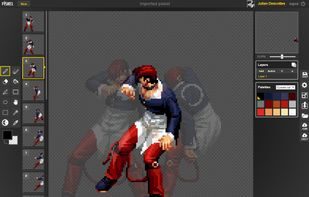
Aseprite (previously ASE, aka Allegro Sprite Editor) is a program to create animated sprites & pixel art.
Alternative to Piskel
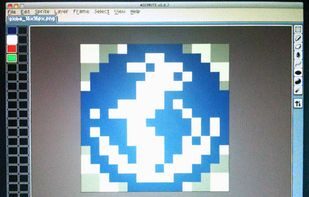
Bitsy is a software product at bitsy.org. Bitsy is a Game Development product used by individuals and teams who want a reliable, modern.

Cocos Creator is a Game Development product used by individuals and teams who want a reliable, modern workflow.

Get started with Construct 3, powerful software designed specifically for you to make high performance and beautiful games effortlessly.
Alternative to Unity and GDevelop and Unreal Engine
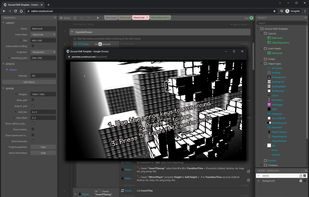

Convai is a Game Development product used by individuals and teams who want a reliable, modern workflow.

Defold is a Game Development product used by individuals and teams who want a reliable, modern workflow.


Epic Games Store and launcher for PC games and Unreal-powered titles.


FMOD is a Game Development product used by individuals and teams who want a reliable, modern workflow.

Welcome to the home of GameMaker, the fastest and friendliest cross-platform game development technology out there.
Alternative to GDevelop and Unreal Engine and Scratch

GDevelop is a Game Development product used by individuals and teams who want a reliable, modern workflow.


Free open-source game engine with a lightweight, node-based architecture.
Alternative to Unreal Engine and Unity and GDevelop

Ink is a Game Development tool for teams and individuals who want a reliable, modern workflow.


Inworld AI is a Game Development product used by individuals and teams who want a reliable, modern workflow.


io gives you the ability to design a page where people can download games you have uploaded.

Kaedim is a Game Development product used by individuals and teams who want a reliable, modern workflow.


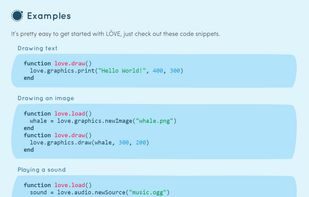
As you probably know by now, LÖVE is a framework for making 2D games in the Lua programming language.
Alternative to GDevelop

Layer learns your game, your brand, and your past campaigns — then produces UA creative that passes brand review the first time.


Ludo AI is a Game Development product used by individuals and teams who want a reliable, modern workflow.

Meshy is a Game Development product used by individuals and teams who want a reliable, modern workflow.


Mirror Networking is a Game Development product used by individuals and teams who want a reliable, modern workflow.

One framework for creating powerful cross-platform games.
Alternative to Unity and Unreal Engine and GDevelop
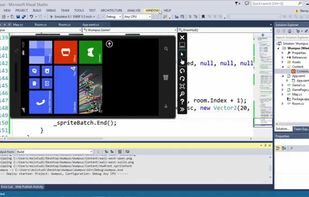
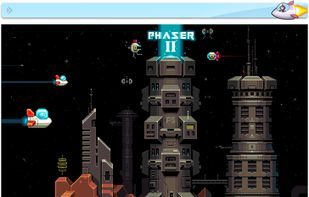
Phaser is a fun, free and fast 2D game framework for making HTML5 games for desktop and mobile web browsers, supporting Canvas and WebGL rendering.

Photon is a Game Development product used by individuals and teams who want a reliable, modern workflow.


With Piskel you can create your own in a few clicks.

PlayFab is a Game Development product used by individuals and teams who want a reliable, modern workflow.


Two new programs to help you turn your vision into a launch-ready game.

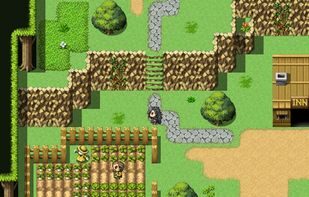
The RPG Maker software series is a set of game creation suites aimed at easy 2D role playing game creation.

Scenario is a Game Development product used by individuals and teams who want a reliable, modern workflow.


Scratch is a programming language that makes it easy to create your own interactive stories, animations, games, music, and art -- and share.

Spine is a Game Development tool for teams and individuals who want a reliable, modern workflow.


Spline 3D is a Game Development product used by individuals and teams who want a reliable, modern workflow.


SpriteKit is a Game Development tool for teams and individuals who want a reliable, modern workflow.


Steamworks is a Game Development product used by individuals and teams who want a reliable, modern workflow.

Focus on Level Design with Automapping 14 July 2026 Wouldn’t it be nice if the right tiles fell into place automatically?


Twine is an open-source tool for telling interactive, nonlinear stories.

Real-time 3D engine for games, simulations, and interactive experiences.
Alternative to Unreal Engine and GDevelop

Unity Muse is a Game Development product used by individuals and teams who want a reliable, modern workflow.


High-fidelity game engine for AAA games, film, and virtual production.
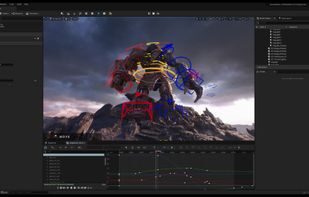

Wwise is a Game Development tool for teams and individuals who want a reliable, modern workflow.

Choose based on target platform, team skill, and license. Then freeze the engine for the project. Switching mid-production is the expensive mistake.
| If this is the job | Look at |
|---|---|
| 3D action or high fidelity | Unreal Engine. Confirm source access needs and the current royalty terms for your revenue. |
| Multi-platform and C# teams | Unity. Test render pipelines and mobile build times on a vertical slice. |
| Open source and 2D or small 3D | Godot. Check export templates and your language preference (GDScript, C#). |
| No-code or 2D specialists | GameMaker, Construct, GDevelop, RPG Maker, or Bitsy for scoped games. |
Unreal if you need high-end 3D and you can staff C++ or Blueprints. Unity if your team is C# and you need many platform exports. Godot if you want an open license and a smaller editor. Prototype a week of your actual game, including export, before you lock the engine.
You need audio middleware when designers must change sound without a programmer rebuild, or when you have complex interactive music. Small games can ship with the engine mixer. FMOD and Wwise are the common professional options. Test the engine plugin for your version.
Aseprite or Piskel for sprites, Tiled for maps, and an engine such as Godot, Unity, GameMaker, or Phaser. Spine is the common skeletal 2D option. Keep the art tool separate from the engine so you can change either one.
No. Convai and Inworld are optional when you want generated dialogue. They add cost, safety review, and a runtime dependency. Most games still write dialogue. Add them only if that is the product.
Steamworks, itch.io, Epic Games Store, or a platform program such as Roblox. Those are distribution tools, not engines. Read their revenue share and review rules before you schedule a launch.